
How Long Is CBD Detectable? (saliva, blood, urine, driving)
Key point: drug tests detect THC (delta-9-THC), not CBD. Pure CBD does not produce a positive test. However, «whole-plant» CBD flowers and resins contain a THC residue of < 0.3% that can, under certain conditions, appear in a saliva test. There is no guaranteed «safe» time window. Rules on driving under the influence of substances vary from country to country; in France a zero-tolerance policy applies to THC while driving — even a trace is enough to constitute an offence (Cour de cassation, 21 June 2023, no. 22-85.530). Always check the legislation in your country. Here are the facts.
What Drug Tests Really Detect
Roadside drug tests and workplace urine tests look for THC (tetrahydrocannabinol) or its metabolites (mainly THC-COOH in urine). They do not detect cannabidiol (CBD).
CBD is a non-psychoactive cannabinoid, legal in France. Consuming pure CBD isolate (99% crystals) produces no THC traces and cannot result in a positive test.
The situation is different with «full spectrum» or «broad spectrum» products — flowers, resins, whole-plant preparations — which naturally contain a fraction of THC (< 0.3% under regulations). This residue, however minimal, can be detected by a sensitive saliva test, especially with frequent use or concentrated products (resins, moon rocks).
- Tests = searching for THC, not CBD
- Pure CBD isolate → zero risk of positive test
- Flowers/resins/moon rocks (THC < 0.3%) → risk of detectable trace
- Resins and concentrates = more residual THC than flowers alone
Indicative Detection Windows (Comparison Table)
The figures below are indicative. They vary according to frequency of use, individual metabolism, dose and product type. No time window can be guaranteed as «risk-free».
| Substance | Saliva (saliva test) | Blood | Urine |
|---|---|---|---|
| Pure CBD (isolate) | Not detectable (CBD not tested for) | A few hours (CBD alone, not tested for) | Not detectable in standard drug tests |
| Residual THC (< 0.3%) — CBD flowers/resins | A few hours to 1–3 days (occasional use); up to several days with regular use | A few hours to 12 hours (occasional use) | 2–5 days (occasional use); up to 30 days or more (chronic use, extreme cases) |
| Delta-9-THC (recreational cannabis, not BeBud) | 1 hour to several days depending on dose | A few hours to 24 hours | 3–30 days or more depending on frequency |
Driving: Rules Vary by Country
Rules on driving under the influence of substances vary from country to country. In France, the Code de la route establishes zero tolerance for THC while driving: the mere presence of THC in saliva constitutes the offence of driving under the influence of narcotics (Article L235-1 of the Code de la route), regardless of the driver's state of consciousness and the legality of the product consumed.
The Cour de cassation confirmed this position in a ruling of 21 June 2023 (no. 22-85.530): a driver can be convicted even if they only consumed legal CBD-based products, as long as a trace of THC is detected.
In other European countries the limits and rules may differ. Always check the legislation in force in your country before driving after consuming CBD flowers or resins.
Prudent advice: avoid driving after consuming CBD flowers or resins, even legal ones. No waiting interval can be considered completely safe.
- France: zero tolerance — any THC trace = offence
- Rules vary by country — always check local legislation
- Legal CBD product does not exempt from a positive test in France
- Higher risk with resins/moon rocks (more concentrated residual THC)
- No guaranteed safe time interval
Factors That Influence Detection Duration
How long residual THC remains detectable depends on numerous individual and product-related factors.
Frequency of use is the main factor: occasional use allows faster elimination than daily use. Individual metabolism also plays a role: a person with a high metabolic rate will eliminate THC faster.
The type of product also matters: concentrates (resins, ice-o-lator, moon rocks) contain more residual THC per gram than flowers. The dose consumed and route of administration (vaporisation vs. ingestion) also alter the elimination kinetics.
Body mass and body fat percentage influence the storage of cannabinoids (fat-soluble): a person with a high body fat percentage may store and release THC more slowly.
- Frequency: chronic use → prolonged detectability
- Individual metabolism: variable per person
- Product type: concentrates > flowers in residual THC
- Body mass and fat: lipophilic THC storage
What BeBud Does Not Sell — and What It Does
All BeBud products are hemp-based products (cannabis sativa L.) with a THC content below 0.3% in the final product, compliant with French and European regulations. BeBud does not sell recreational cannabis, THC or any narcotic substance.
These products are reserved exclusively for adults (18+). They are intended to be used for their aromatic properties, within the legal framework.
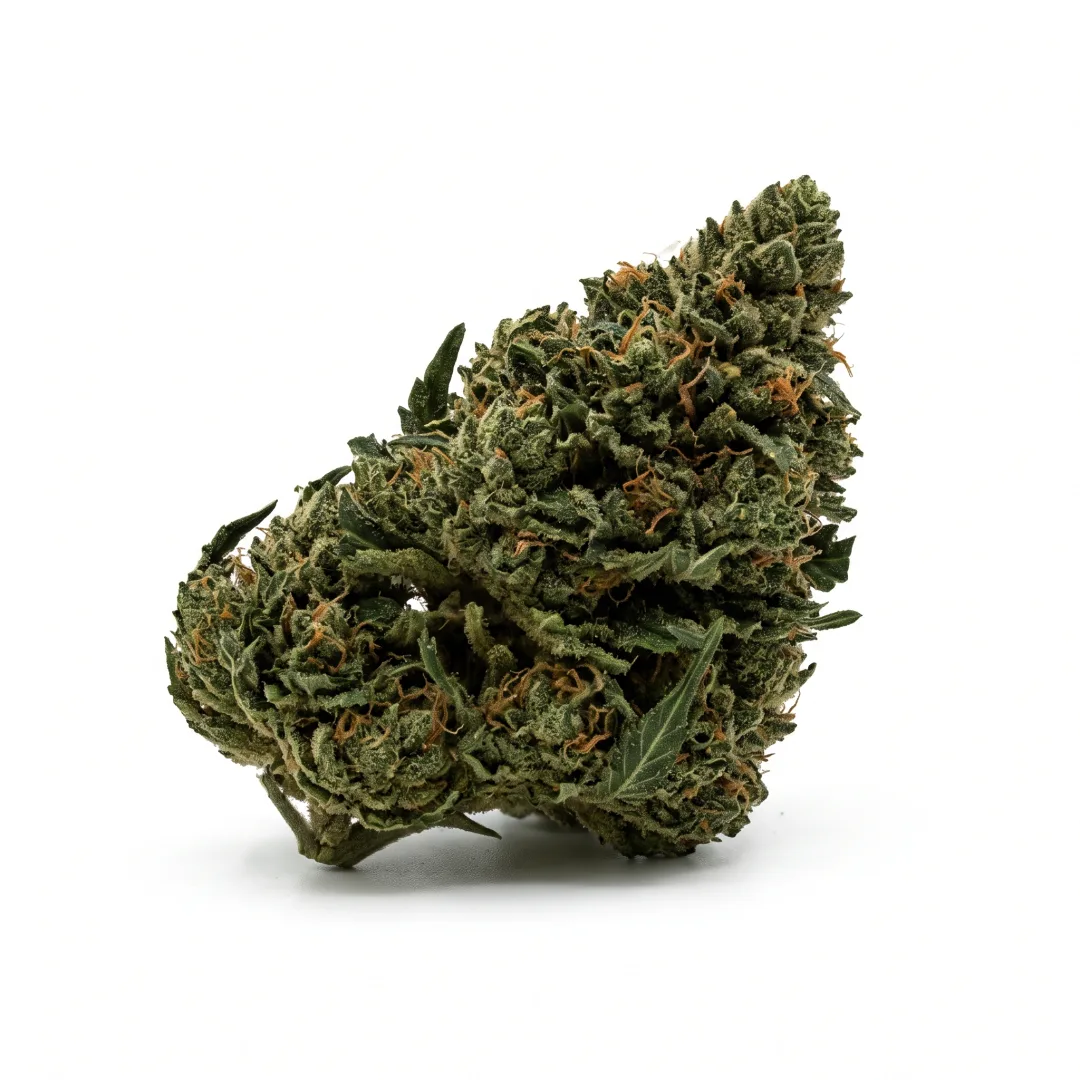
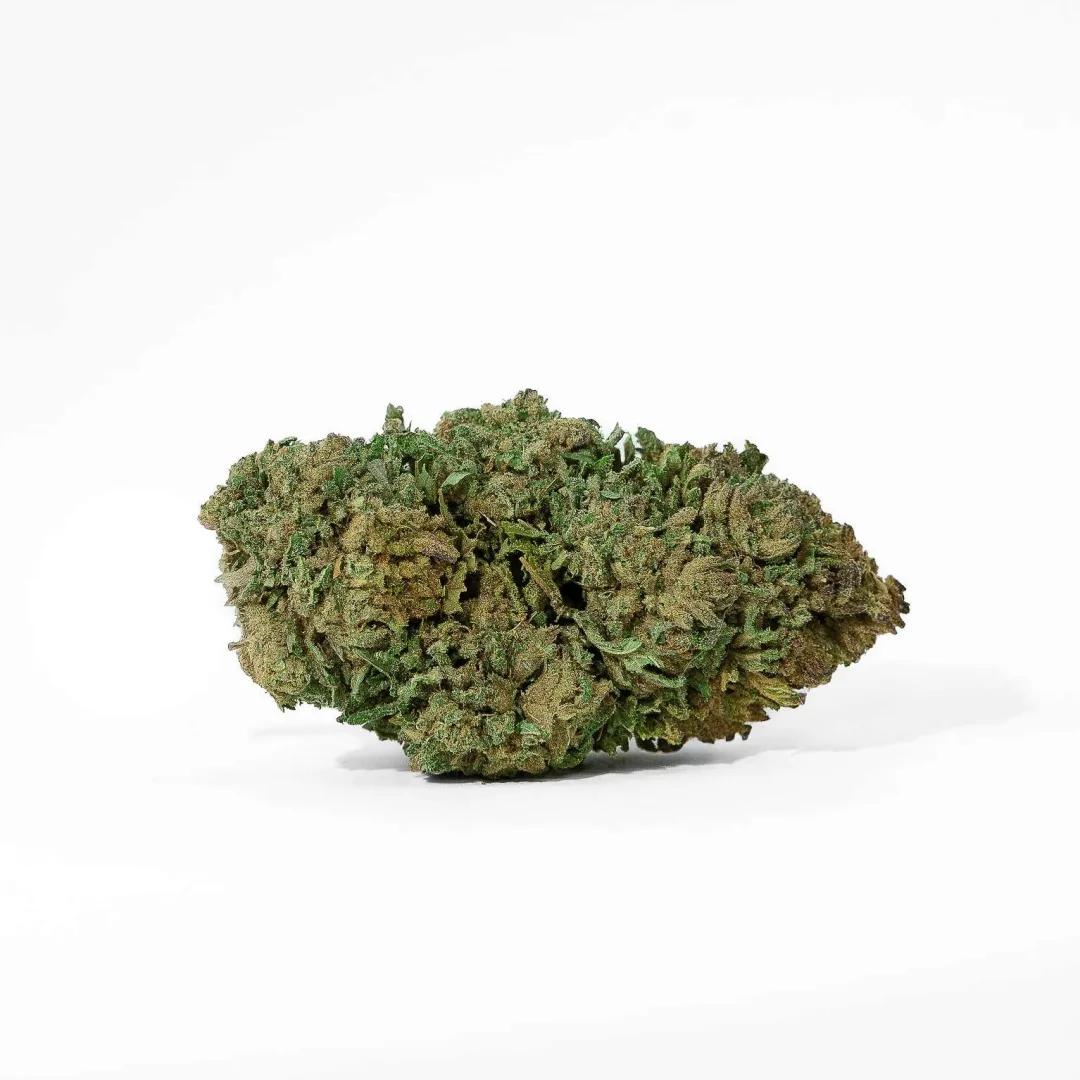
Discover our selection of CBD flowers and CBD resins in our shop.
Achetez nos variétés
Questions fréquentes
Does CBD cause a positive saliva test?
CBD itself is not detected by saliva tests (which look for THC). However, «whole-plant» CBD flowers and resins (THC < 0.3%) may contain a THC residue sufficient to trigger a positive test. The risk exists, especially with concentrates (resins, moon rocks).
Can you drive after consuming CBD?
Rules vary by country. In France zero tolerance for THC while driving applies: even a THC trace — from a legal CBD product — constitutes an offence. Always check the legislation in your country. If in doubt, do not drive.
How long to wait before driving?
There is no guaranteed «risk-free» interval given the zero-tolerance policy in France. The detection duration depends on the type of product consumed, the dose, the frequency and individual metabolism. Without certainty, it is better not to drive.
Can a legal CBD flower give a positive test?
Yes, it is possible. CBD flowers and resins contain a THC residue (< 0.3%) that can trigger a positive saliva test. The legality of the product does not exempt from the consequences of a positive test during a road inspection in France (Cour de cassation, 21 June 2023).
Does CBD stay in the urine?
Standard urine tests look for THC-COOH (THC metabolite), not CBD. A standard urine test will not detect pure CBD consumption. With «whole-plant» products (flowers, resins), residual THC can be detected 2–5 days after occasional use, and even longer with regular use.
What is the difference between CBD isolate and CBD flower for tests?
CBD isolate (pure 99% crystals) contains no THC and cannot produce a positive test. «Whole-plant» CBD flowers and resins contain a THC residue < 0.3% that can, depending on test sensitivity and frequency of use, be detected.