
CBD Indoor, Outdoor, or Greenhouse: The Real Differences to Help You Choose
Have you ever noticed significant price gaps between different legal CBD flowers without understanding why? The answer often comes down to one word: the growing method. Indoor, outdoor, or greenhouse, each approach produces a flower with distinct characteristics.
Indoor Growing: Precision, Intensity, and a Premium Price
Indoor growing means cultivating CBD hemp plants in a fully controlled environment: full-spectrum artificial lighting, temperature, humidity, CO2, and nutrients are all precisely adjusted throughout the cycle. The grower controls every variable, without depending on weather or seasons.
This control results in flowers that are typically very dense, covered in a high concentration of trichomes (the resinous crystals that give flowers their frosted appearance and concentrate terpenes). The absence of exposure to outdoor elements produces a visually consistent flower with a pronounced olfactory profile.
In terms of cost, indoor is the most expensive method: electricity, ventilation, filtration, and specialist labour all feed into the final price. A quality indoor flower therefore sits in the premium segment.
- 100% controlled environment: lighting, temperature, and humidity precisely managed
- Appearance: very dense flowers, abundant trichomes, vivid and consistent colours
- Aromatic profile: intense, complex, terpenes well preserved
- Price: the highest of all methods
- Season: year-round production possible
Outdoor Growing: The Sun as the Engine
At the other end of the spectrum, outdoor growing places the plant directly in its natural environment: open fields, sunlight, natural cycles. It is the oldest method and the one most aligned with the biology of hemp, a robust plant that grows in very varied conditions.
Outdoor plants benefit from the full solar spectrum, natural ventilation, and living soil, all factors that produce large plants with significant yields. Production costs are considerably lower than indoor.
On the other hand, outdoor growing is subject to weather risks: drought, humidity, pests. Outdoor flowers often have a more rustic profile, with earthy and herbaceous aromas, and a less consistent visual appearance.
- Environment: open field, natural sunlight, seasonal cycles
- Appearance: less compact flowers, natural variation between harvests
- Aromatic profile: earthy, herbaceous, more rustic notes
- Price: the most accessible
- Yield: high, but subject to weather
Greenhouse Growing: The Best of Both Worlds
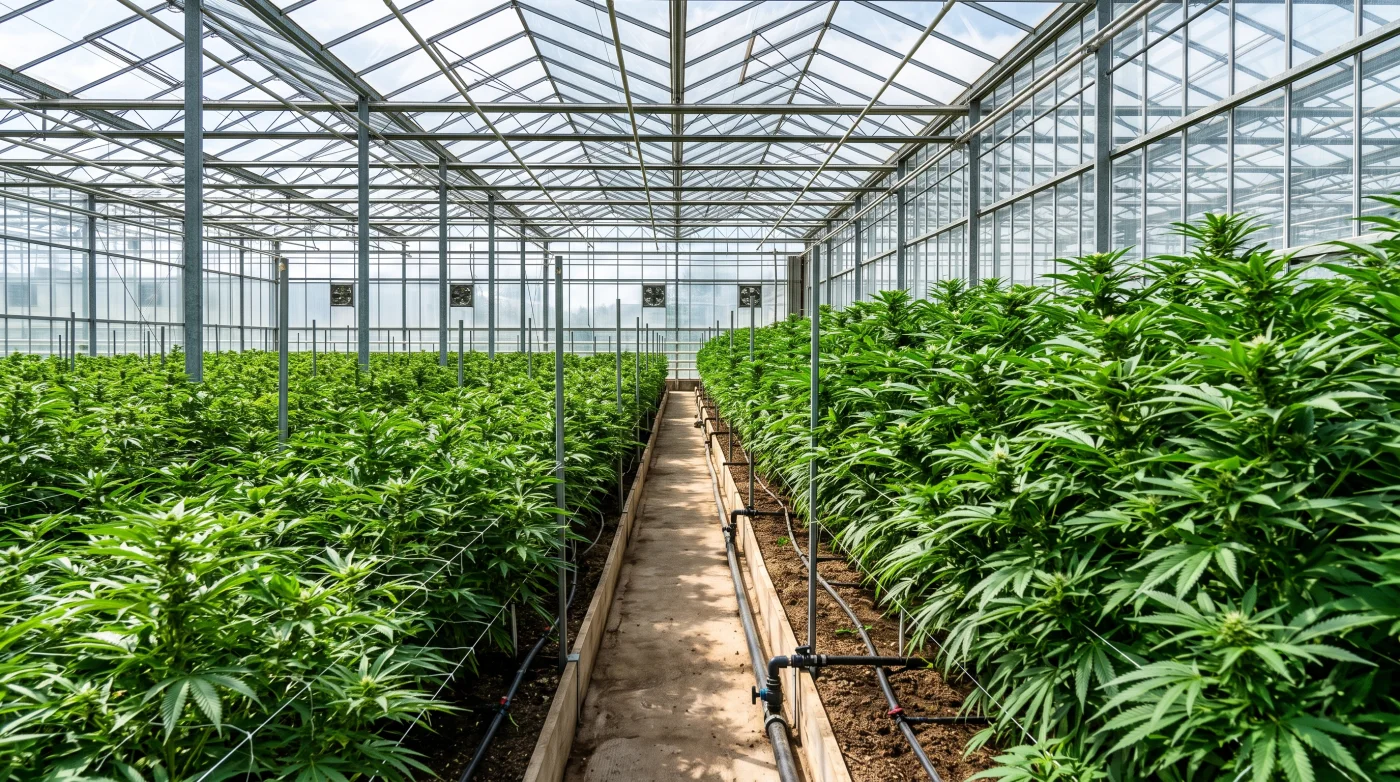
A greenhouse combines the advantages of natural light with the protection of an enclosed structure. The plant grows under a glass or polycarbonate roof that lets in sunlight while shielding against bad weather, pests, and extreme temperature swings.
The grower can supplement natural lighting with targeted artificial input, and control humidity and temperature without the heavy infrastructure of indoor growing. The result: a flower that benefits from natural cycles while achieving better consistency than outdoor.
Aromatically, greenhouse flowers offer a more refined profile than outdoor, with well-developed terpenes thanks to natural light, without always reaching the maximum intensity of indoor. It is a method valued for combining consistent quality with controlled costs.
- Environment: protected greenhouse, natural light plus possible artificial supplement
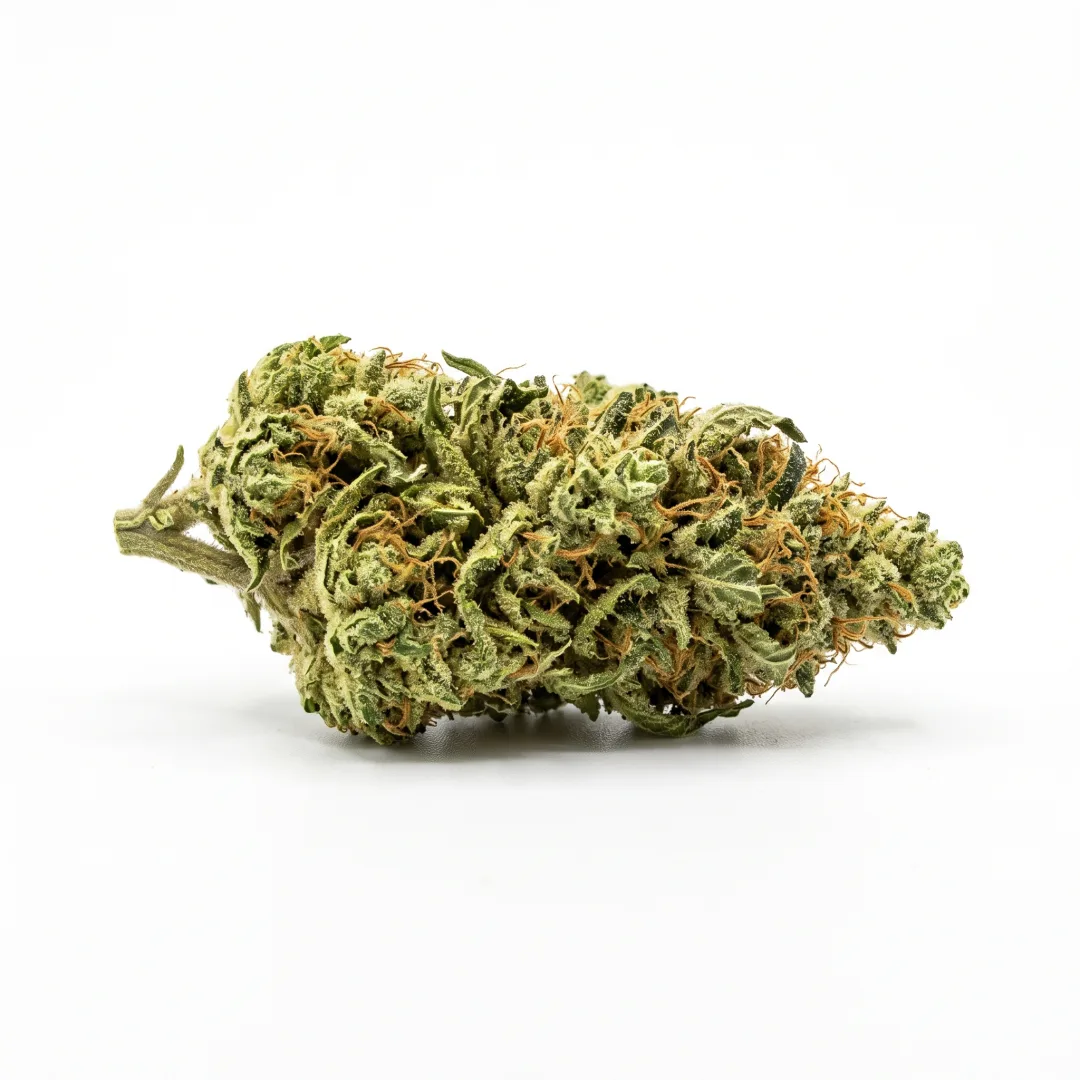
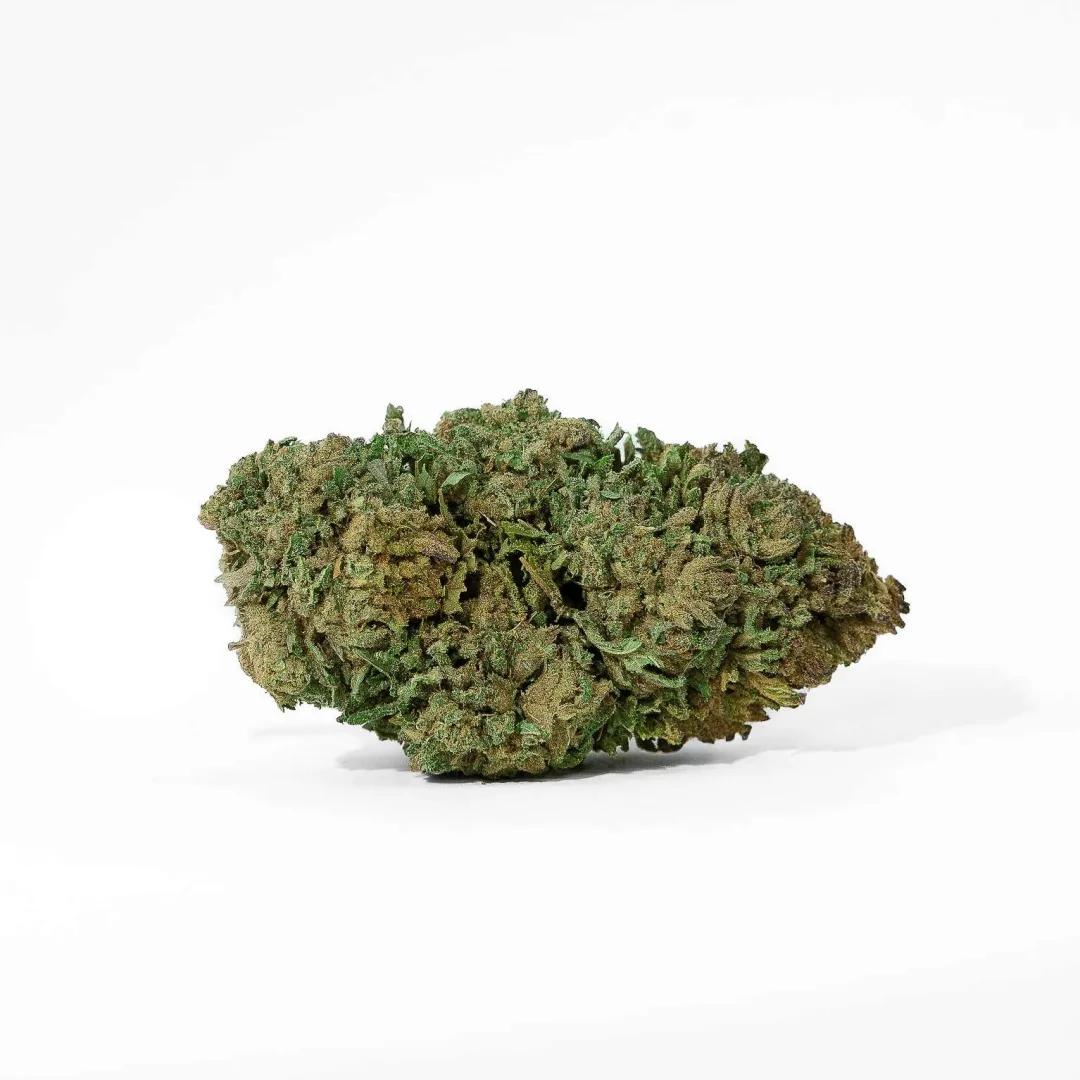
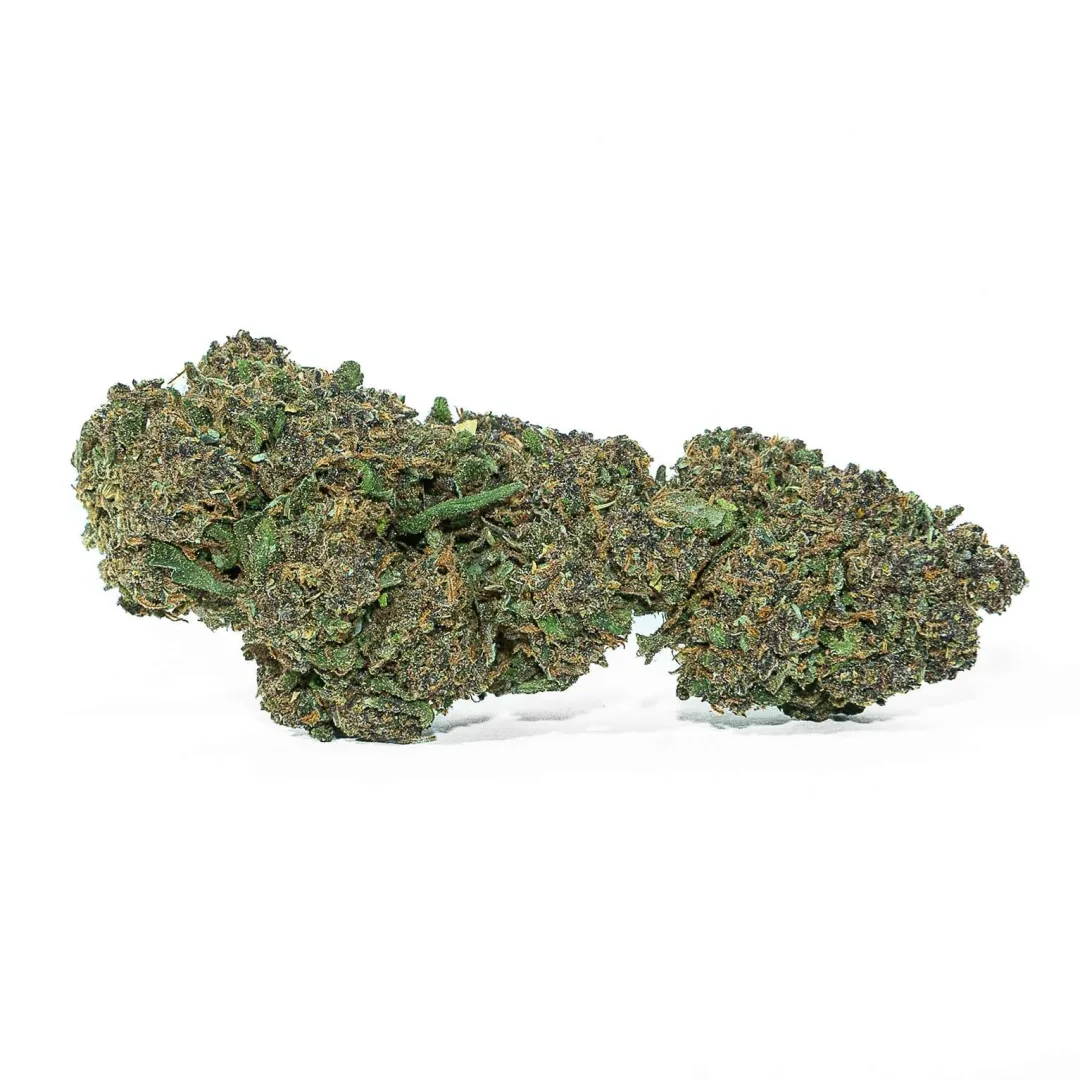
- Appearance: well-formed flowers, consistent quality from one harvest to the next
- Aromatic profile: balanced, developed terpenes, less rustic than outdoor
- Price: intermediate, often excellent value for money
- Flexibility: extended growing seasons
Comparison: Indoor vs Outdoor vs Greenhouse
To choose the growing method that best matches your expectations, here are the three approaches side by side on the criteria that matter. There is no objectively superior method: each suits a different profile.
This comparison summarises the concrete differences observed between the methods, based on documented practices in the European CBD hemp sector.
- INDOOR. Appearance: very dense | Aroma: intense | Price: premium | Consistency: maximum | Production: year-round
- OUTDOOR. Appearance: more open | Aroma: rustic, earthy | Price: budget-friendly | Consistency: variable | Production: seasonal
- GREENHOUSE. Appearance: well-formed | Aroma: balanced | Price: intermediate | Consistency: good | Production: extended seasons
How to Choose According to Your Profile
Your choice depends on what you value most. If visual appearance and aromatic richness come first, and you are prepared to invest more, indoor will meet your expectations. If you are mainly looking for an accessible product grown in open air, outdoor is the coherent option.
For the majority of consumers who want a good balance between consistent quality, a developed aromatic profile, and a reasonable price, greenhouse is often the most coherent option. It also offers easier traceability to guarantee, since conditions are semi-controlled and reproducible.
Another key criterion is supply chain traceability. Whatever the method, knowing where your flower comes from, how and by whom it was produced, is valuable information. A producer who documents their growing practices gives you a guarantee of product consistency.
- Aromatic intensity and premium appearance: Indoor
- Lowest price, natural open-air cultivation: Outdoor
- Consistent quality, good terpene profile, value for money: Greenhouse
- Full traceability: insist on a transparent producer
BeBud's Choice: Greenhouse and a Traceable Supply Chain
At BeBud, the CBD flowers in our range come from selected greenhouse crops sourced from a direct producer with whom we work through a fully traceable supply chain. This choice allows us to guarantee consistent quality from one season to the next, with a level of control that pure outdoor cannot offer.
Working in a short circuit with a direct producer and no trading intermediary means we know the exact origin of every batch, the growing practices, and the harvesting and drying conditions. This traceability is at the heart of our positioning: you know what you are buying.
Our catalogue does not claim to cover every segment. We have made a choice in favour of coherence: greenhouse flowers of consistent quality, at an honest price, with a supply chain we can document.
Achetez nos variétés
Questions fréquentes
Is indoor CBD flower always better?
Not necessarily. Better depends on your criteria. Indoor offers the most refined appearance and the highest aromatic intensity, but at a higher price. Greenhouse and outdoor can be perfectly suited, with a different value proposition. The genetic selection and care taken at harvest matter just as much as the method.
How can you tell an indoor flower from an outdoor one?
An indoor flower is generally denser and more compact, with a more visible trichome coverage and more vivid colours. An outdoor flower is more open, with less tightly packed calyxes. Greenhouse sits between the two: good density and consistency, without the maximum compactness of indoor.
Do greenhouse flowers have a good terpene profile?
Yes. Natural sunlight promotes terpene development. Greenhouse flowers benefit from this while being protected from the extreme conditions that can degrade them. Their aromatic profile is generally well developed, and less rustic than outdoor.
Is the price difference between indoor and outdoor justified?
It primarily reflects production costs: artificial lighting, climate control, filtration, and labour weigh heavily for indoor. It is not arbitrary. That does not mean an outdoor or greenhouse flower will be disappointing: the method is only one factor among several.
What does a traceable supply chain mean in practice?
It means the complete journey of the plant, from cutting to dried flower, is documented and verifiable: the identity of the producer, growing practices, harvesting and drying conditions. It is the opposite of a product bought on a wholesale market with no known origin.
Are all CBD flowers sold in France legal?
In France, the sale of CBD hemp flowers is legal provided the THC content of the finished product is below 0.3% and the varieties are listed in the European catalogue. Always check that the seller can attest to the compliance of every batch.